Context/Challenge: University leads were down due to a variety of external factors, and we needed a new way to boost leads and reduce churn.
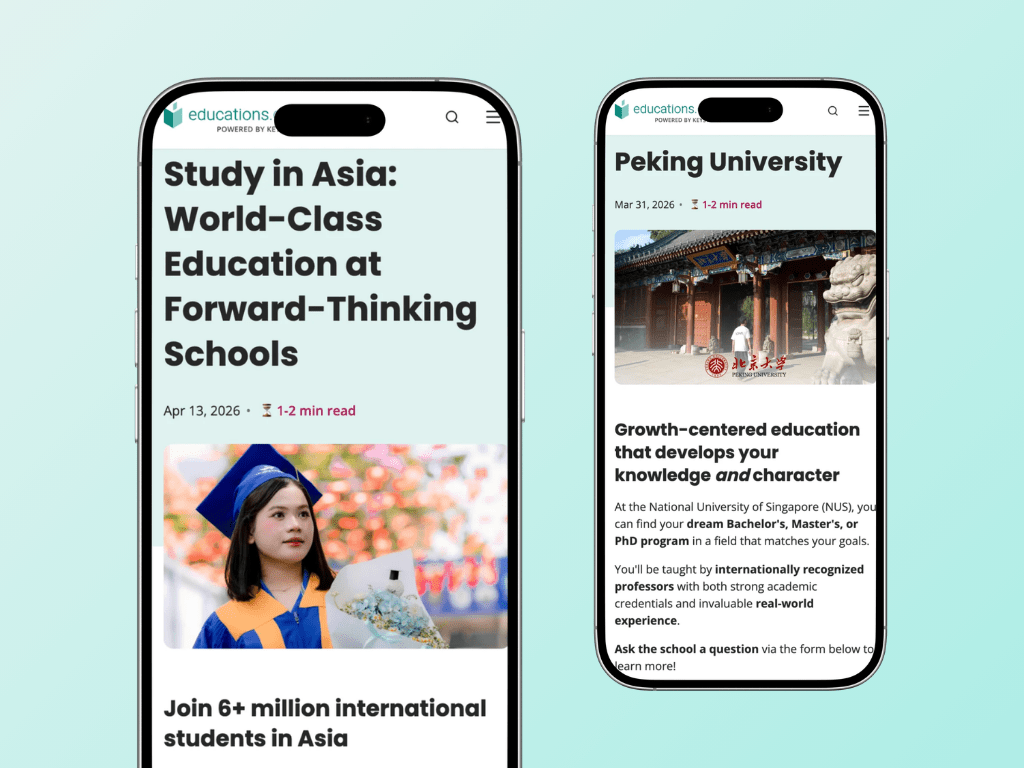
Action: My external partnerships colleague and I launched “University highlights pages”, which were topic-based landing pages with featured universities, which we then promoted through partnerships with influencers. My part was designing these pages to maximise
Result: One in five students who landed on the campaign page submitted a lead (21% session-to-lead conversion rate). The average bounce rate was only 52%, and the average student stayed on the page for over a minute.
Initial Context
The project was started as a way to reduce churn with clients who were unhappy with their lead count. In other words, it was envisioned as a LeadGen product from the get-go — the idea was to get students interested enough to submit a lead at any of the featured schools.
The Process
We know from academic research and practical experience that students look for social proof during their program discovery process. They especially care about what their fellow students/alumni have to say about the universities they’re interested in.
Knowing this, we built the entire campaign around providing social proof at every step of the student journey.
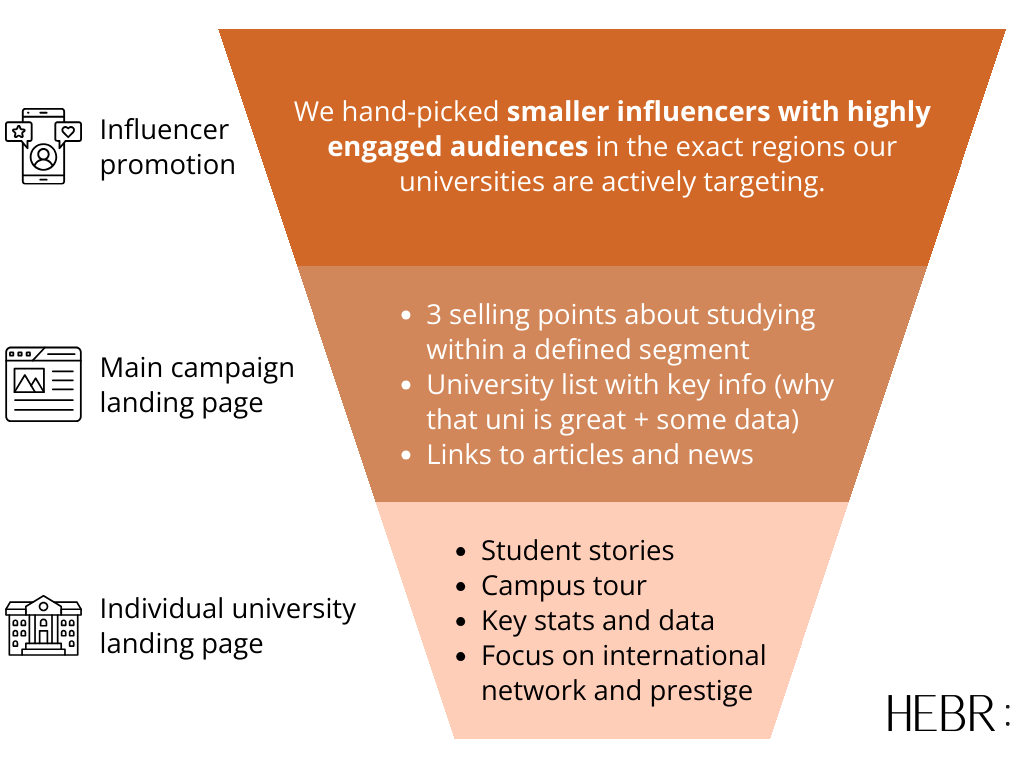
The first social proof touchpoint was external. We partnered up with hand-picked student influencers with smaller but highly engaged audienceslocated in geos our universities were interested in.
Then, I built the campaign landing pages, and included relevant social proof tailored to student needs at each step.
| Main campaign page (university list) | Individual university pages |
|---|---|
| Three main selling points | Student testimonails (photo + text) |
| International student ratio | Campus tour (video) |
| Global partnership network | Key facts and figures (infographic) |
Below are a few examples of social proofing I used to boost the university’s trustworthiness. These included photos of real students, career/reputation-oriented statistics, alumni stories, campus tours, and more.
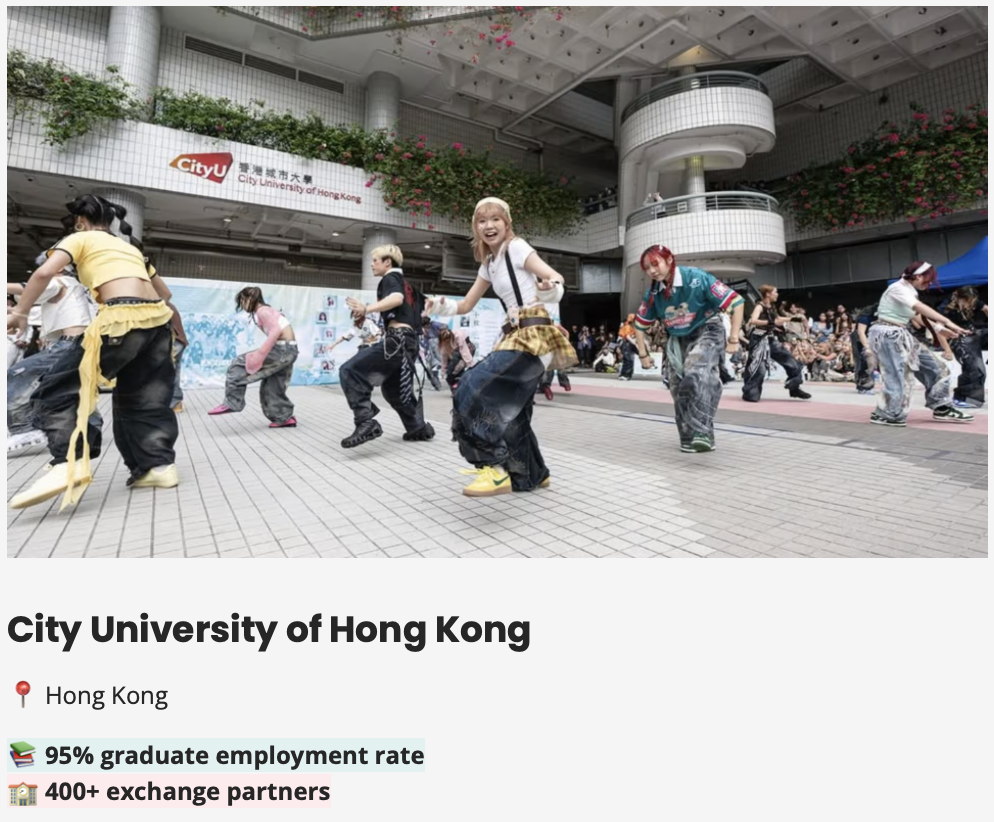
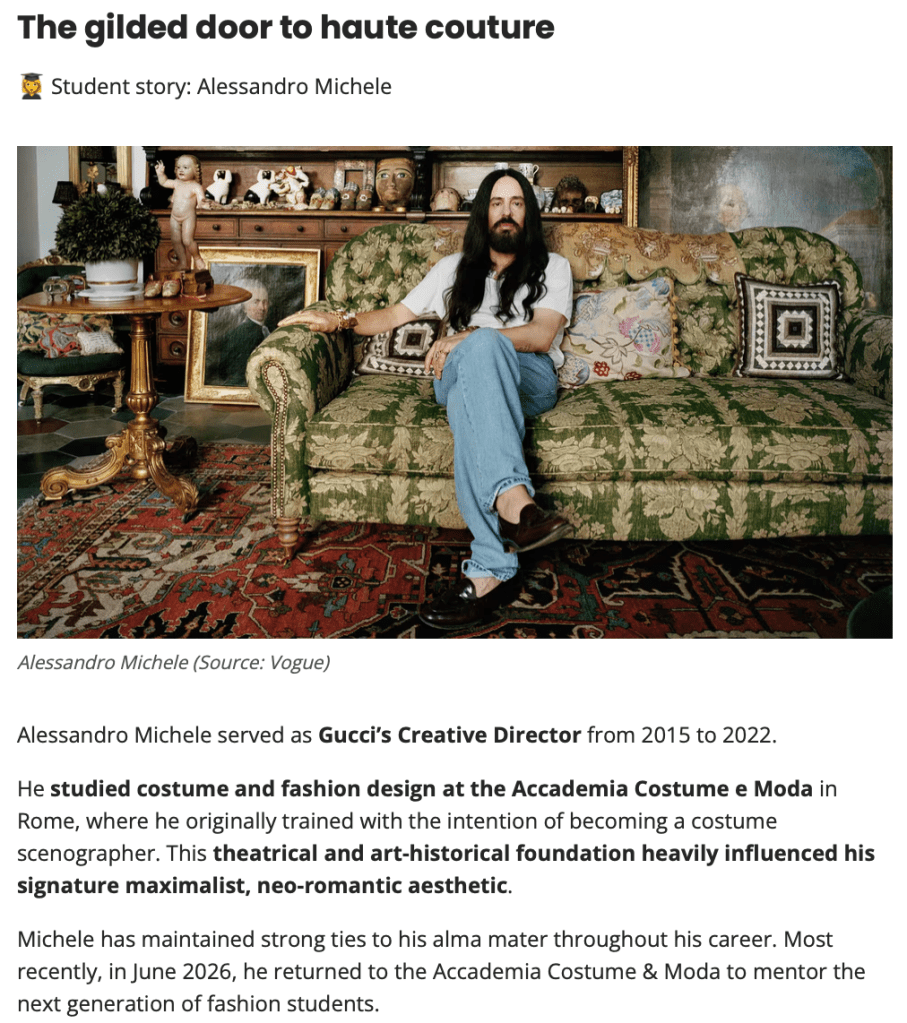
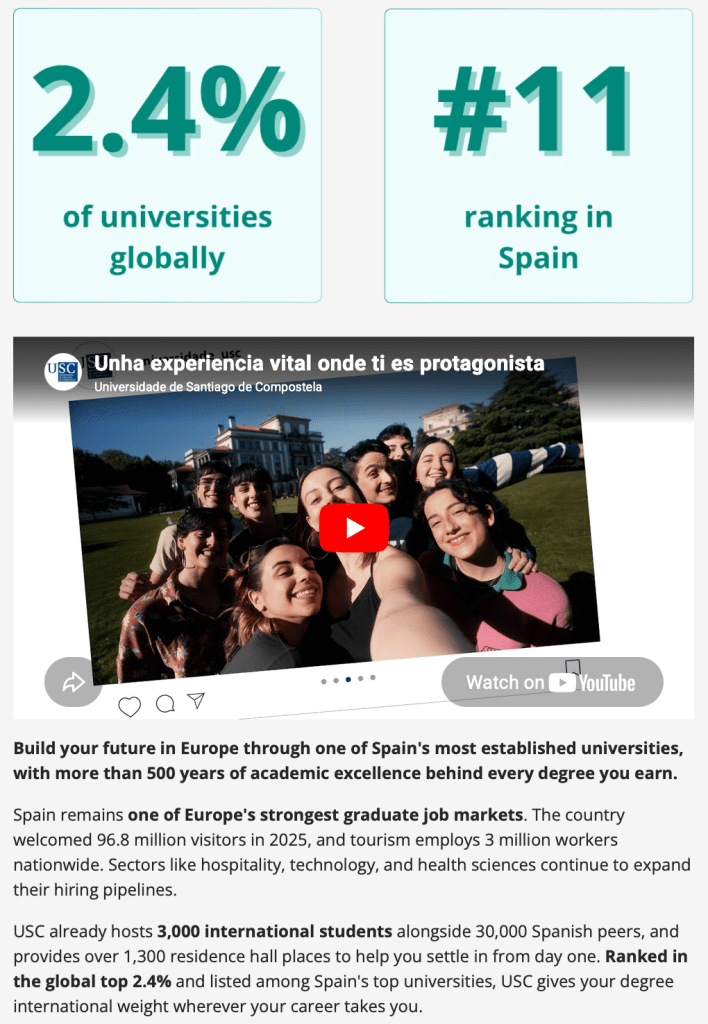
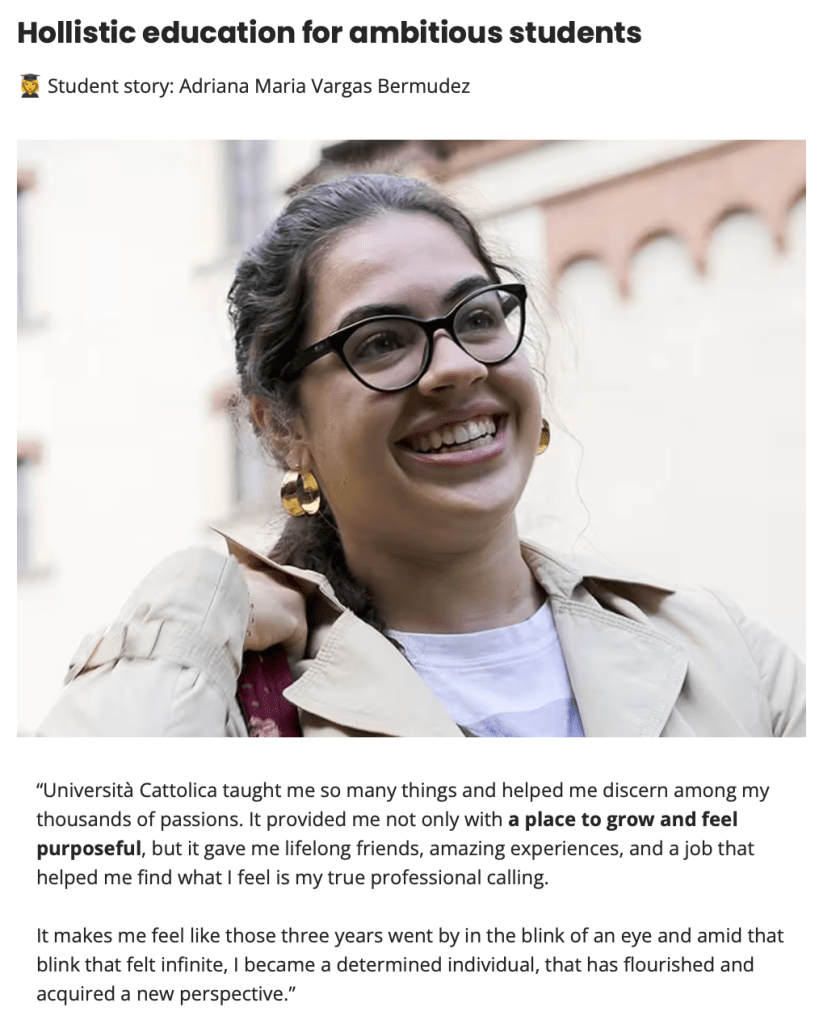
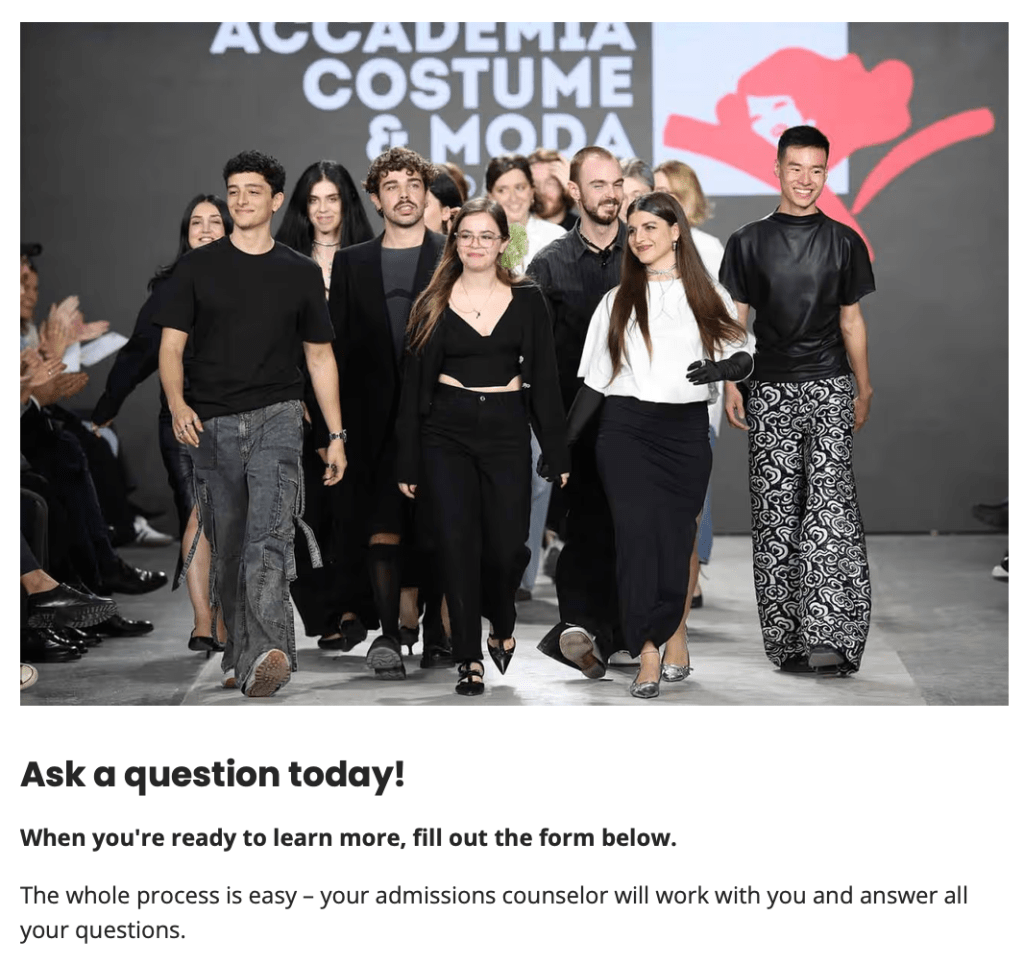
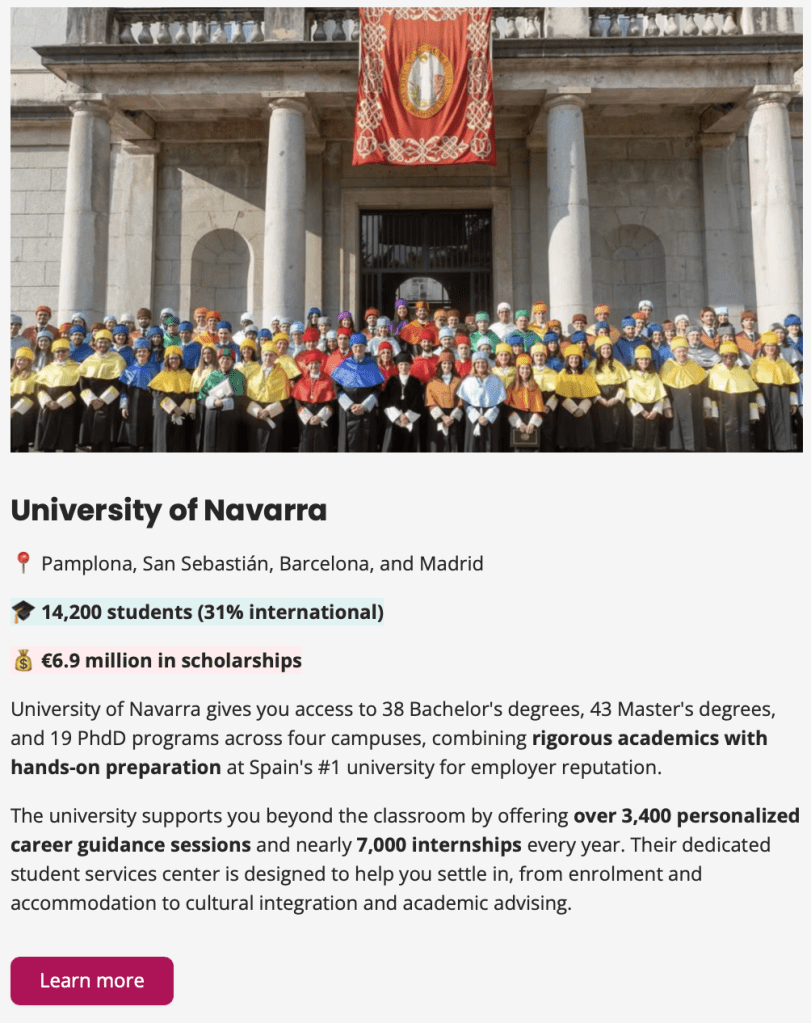
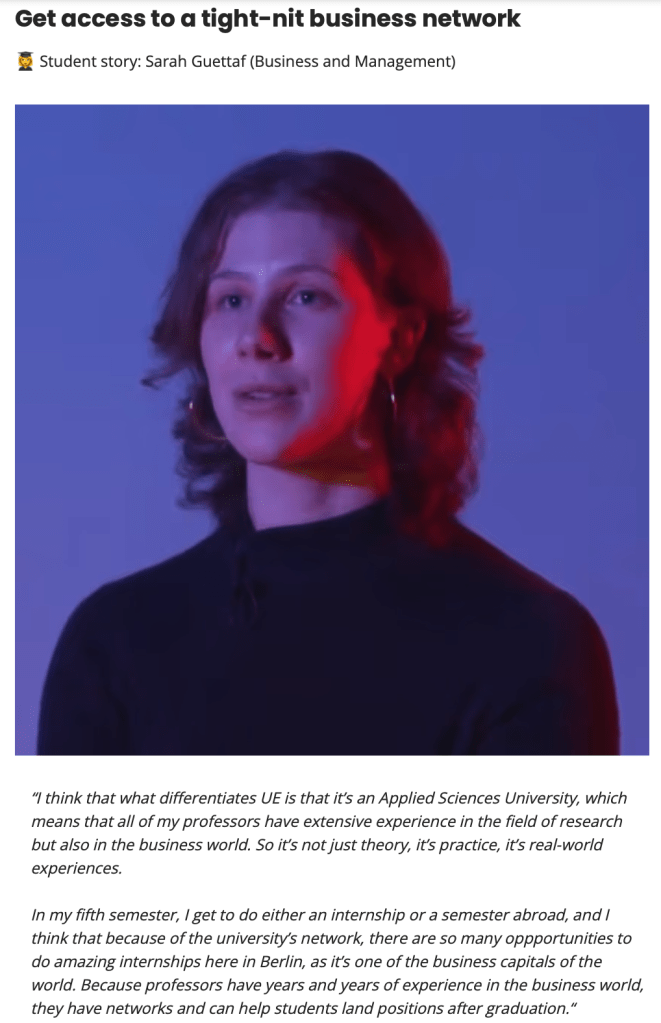
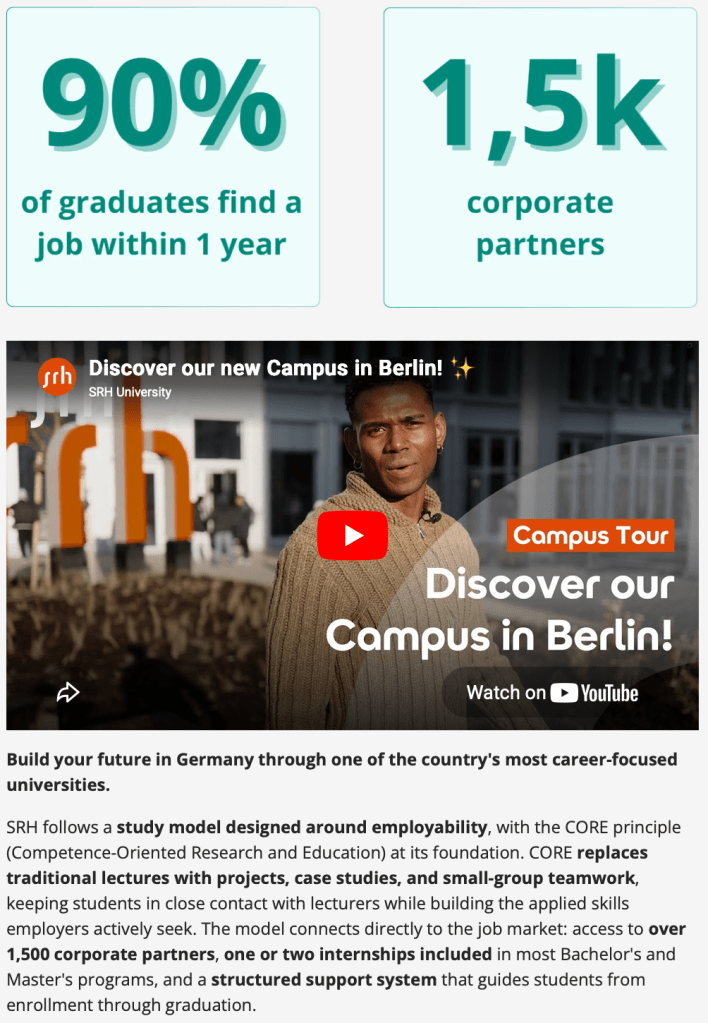
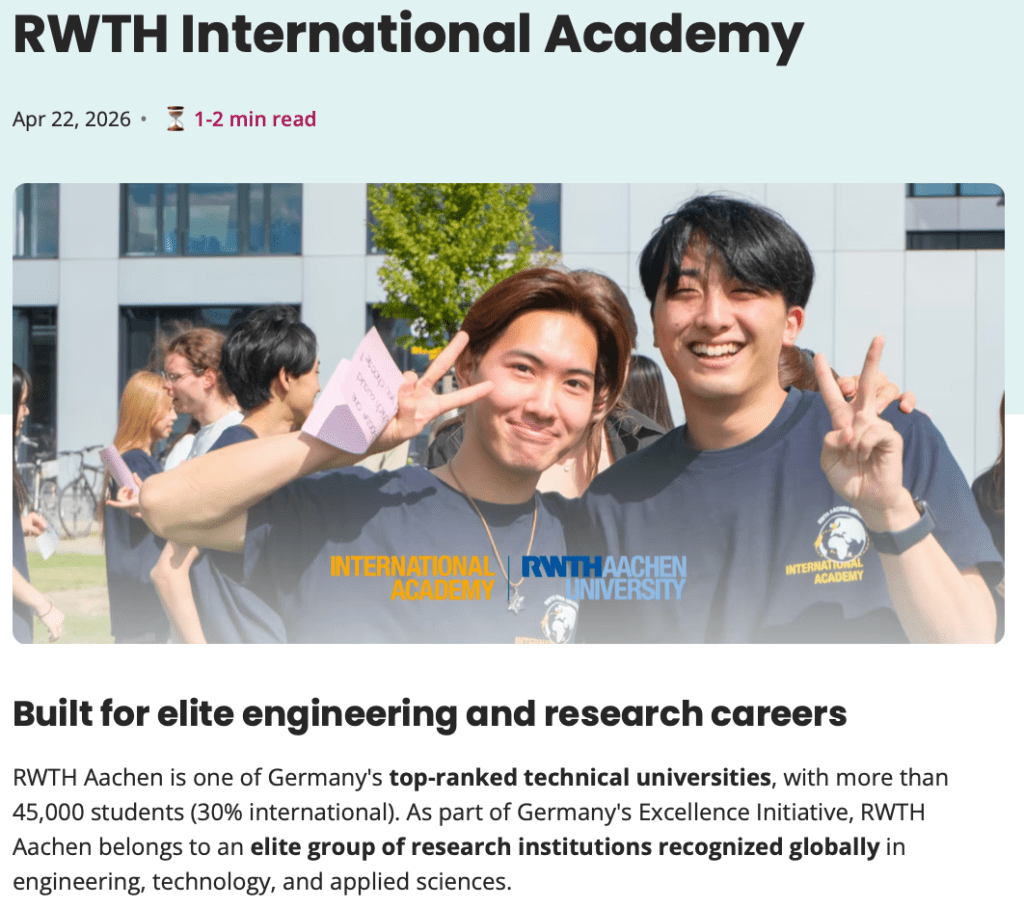
Then, we combined these student stories with incentive structures to prompt students to complete lead forms for universities. We offered freebies in the form of webinars and other exclusive content.
The Structure
After a few iterations to make the project more sustainable, I landed on a decent ‘formula’ for getting the most results for the least amount of resources.
Below is the breakdown of each section of both the main campaign page(s) and the individual university pages.
Main Campaign Page
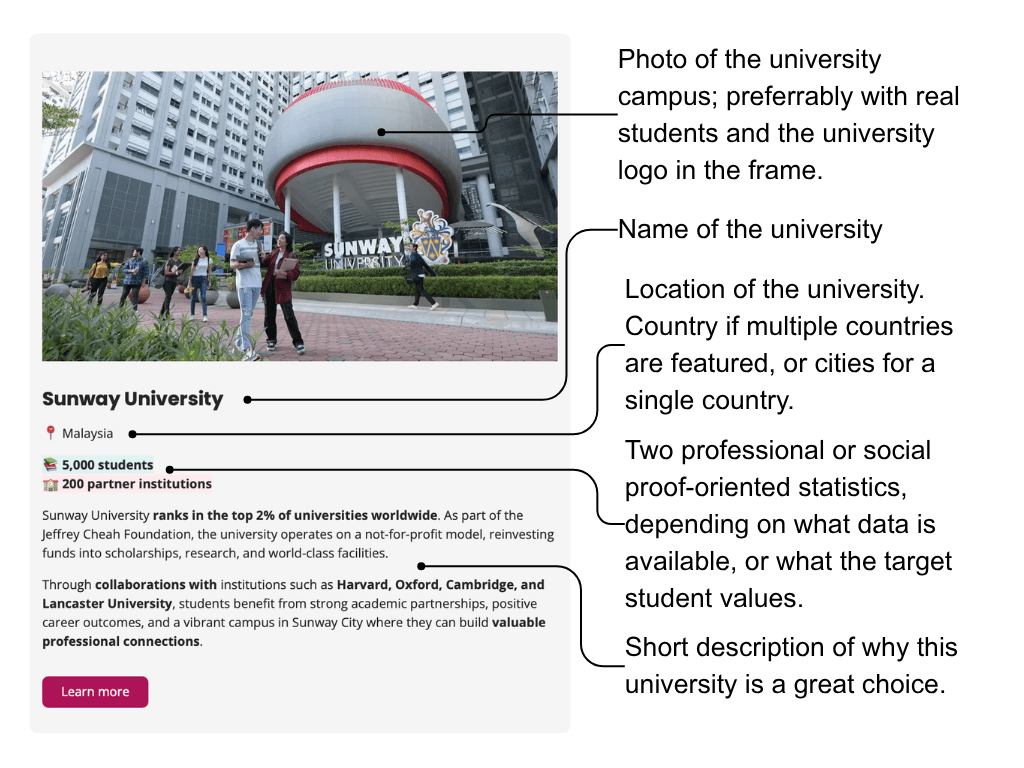
The top of the main campaign page is key to grabbing the students’ attention within seconds. To achieve this, I tried to balance giving just enough teaser information to get students to scroll down, without giving away too much, or overloading the student with unnecessary details.
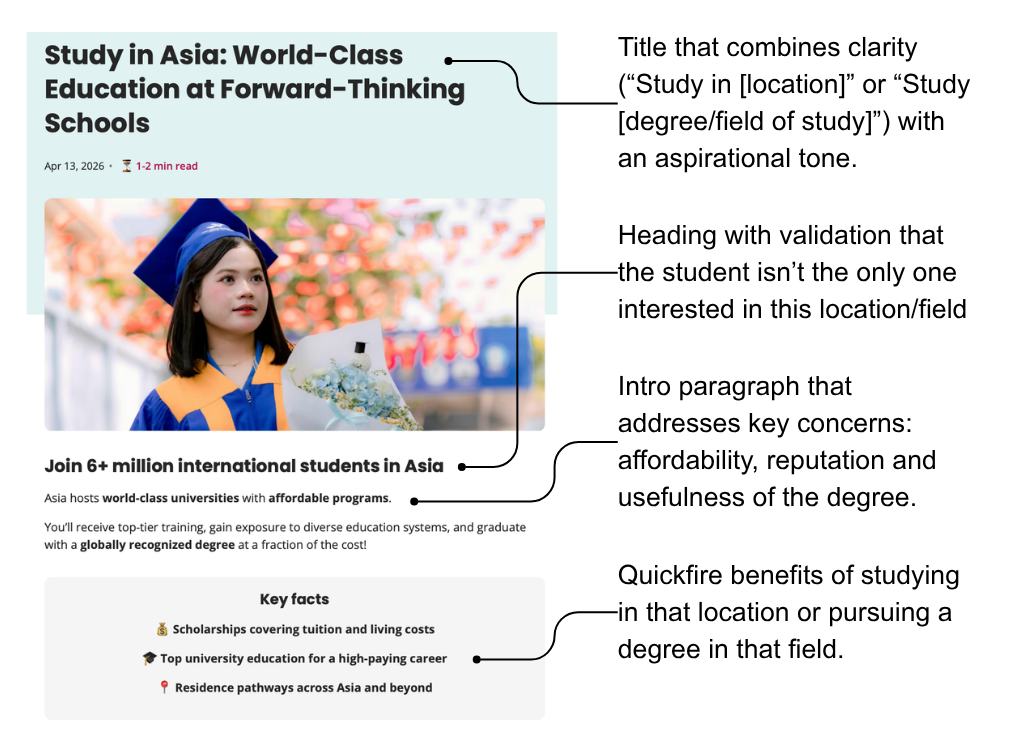
Following the ‘general’ section at the top, the main campaign page features 4-5 modules covering different universities. The idea is to provide key benefits of studying at each university at a glance.
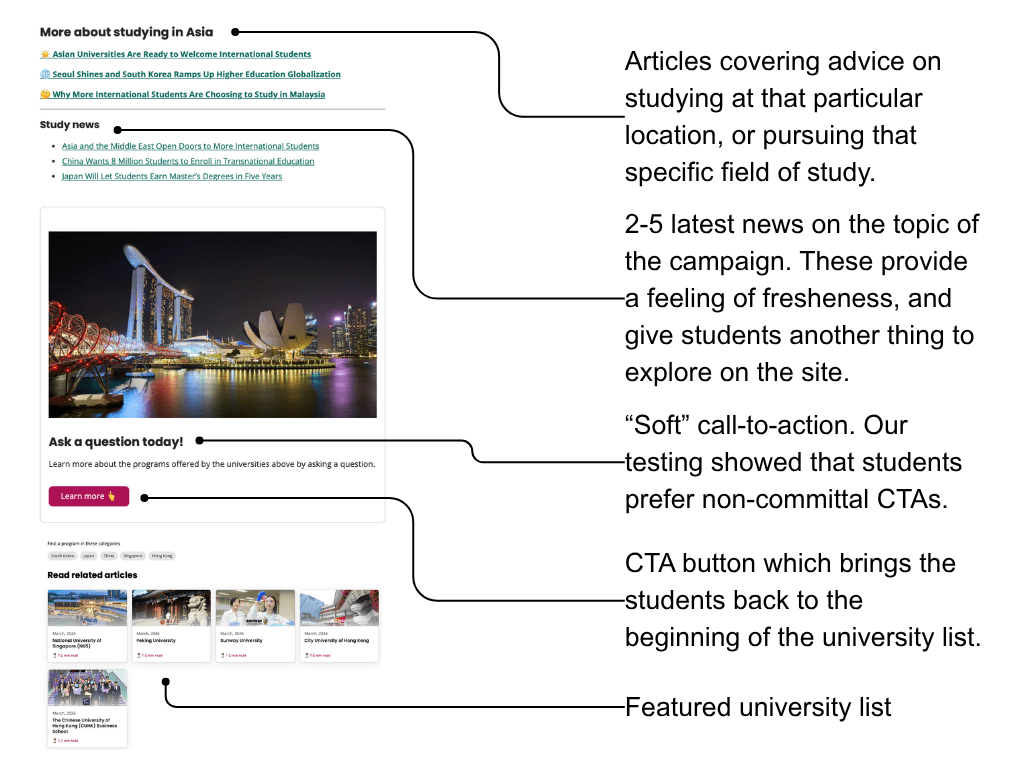
The last section of the main campaign page was all about keeping students on the page/site. It provides a bunch of content options in case the student scrolled all the way down and still wasn’t interested in any of the featured universities. The content listed here is usually a combinations of articles, guides, and topic-relevant news.
Overall, this is how the pages generally look:

Individual University Pages
University pages can be boiled down to two elements: social proof and CTAs.
More specifically, the CTAs were squished in between different elements that served the purpose of making the student believe that each university is A) real; B) trustworthy and C) a worthy investment.
In practice, this meant that university pages generally followed this format:
- Photo of the school (or students) with the university logo
- Quick intro covering career benefits (with an aspirational tone)
- CTA (Lead form)
- “About the school” section: 2 key stats, a campus tour, and another quick description of what makes the university interesting or distinct
- Student story: a photo + quote of a named alumni/current student
- CTA: photo of the university/students + ‘soft’ CTA (“Ask a question” instead of “Submit a form”/”Apply now”)
Below you can see some examples of individual university pages.



Results
The results so far are very promising. While I cannot disclose the exact numbers for sessions and leads, each campaign yields around 1,000 leads, with the session-to-conversion rate hovering between 15-20%.
These highlight results are also followed by excellent engagement metrics, with a healthy average bounce rate of around 50-60% and average student staying for over a minute per page.


Leave a Reply